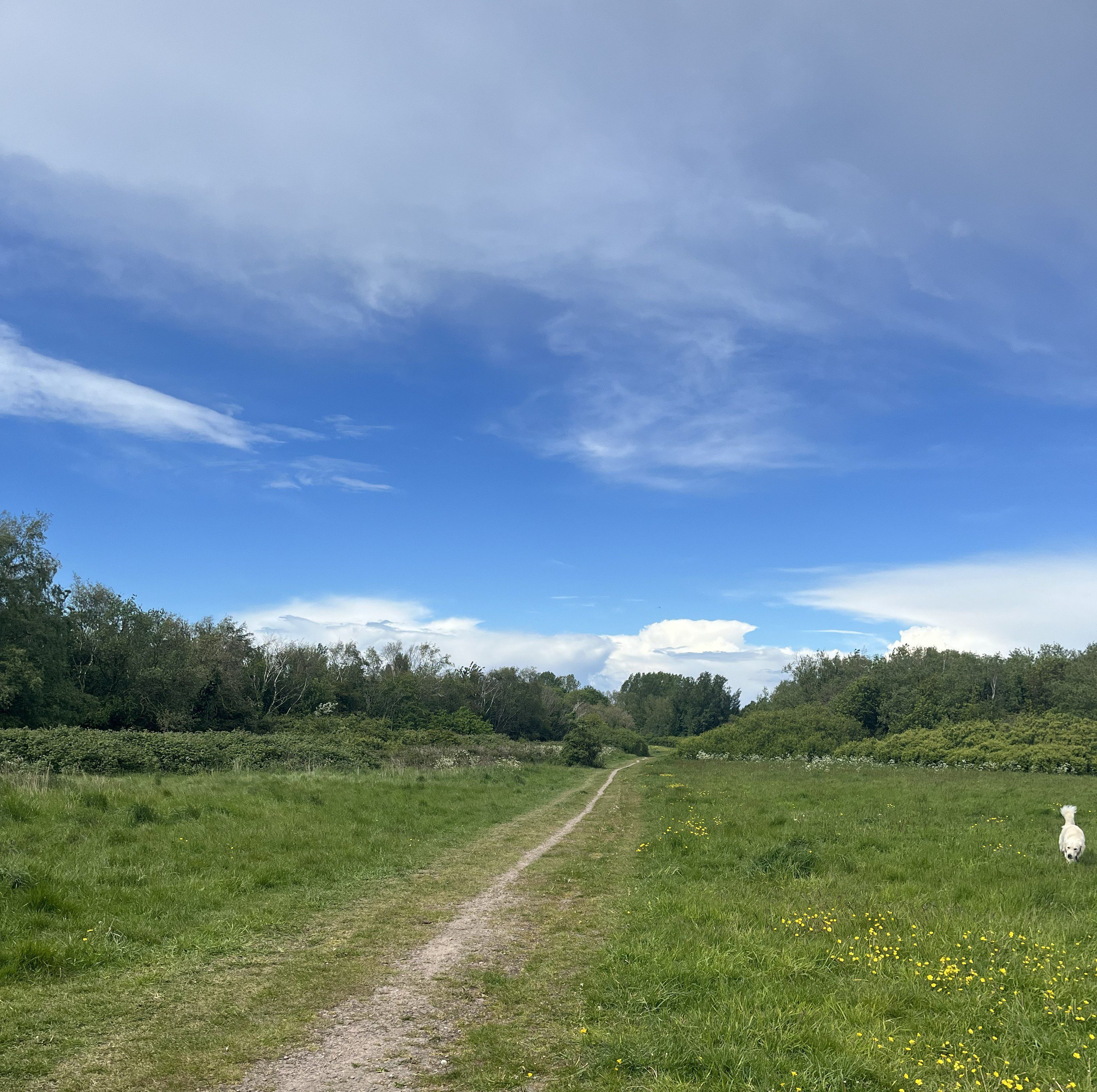
Rimrose Valley Country Park offers a surprising escape into nature right on the edge of Great Crosby and Litherland. This large green space stretches for miles between urban neighbourhoods and provides a vital sanctuary for local wildlife. Visitors can enjoy quiet walks, flat cycling routes, and excellent birdwatching opportunities along the canal. It is not the prettiest of parks, but what it lacks in aesthetics it makes up for in sheer versatility.
| Attribute | Details |
| Location | Great Crosby, Merseyside, U.K. |
| Activities | Walking, cycling, birdwatching, and photography |
| Main Feature | Leeds and Liverpool Canal towpath |
| Admission | Free entry all year round |
| Best For | Families, dog walkers, and nature lovers |
A Green Oasis in Sefton
Rimrose Valley sits in a low-lying basin in the historic area of West Lancashire. The park forms a natural border between Crosby, Waterloo, Litherland, and Bootle. For generations, this land served as a flood defence and agricultural drainage zone. Today, it stands as a cherished landscape for outdoor recreation in Merseyside.
The park covers over 100 hectares of diverse habitats. You will find large areas of marshland, meadows, and young woodland blocks here. These varied zones attract a wide range of animals and plants throughout the year. It provides a stark, refreshing contrast to the surrounding busy roads and houses.

Local communities treat the valley as their shared backyard. On any morning, you will see joggers, dog walkers, and young families exploring the trails. The area feels open and expansive, giving visitors plenty of room to breathe. It is a brilliant example of how nature can thrive alongside industrial towns. The majority of the people using the park were cheerful and friendly, and I couldn’t help but feel that the park was the source of their cheer.
We found the park quite windswept (and interesting), and it is the kind of place where you would end up exposed and soaked in a rainstorm. I would certainly recommend carrying a raincoat if you see so much as a cloud on the horizon.
Walking the Leeds and Liverpool Canal

The Leeds and Liverpool Canal runs directly through the heart of the park. The towpath provides a brilliant, flat route for walkers of all fitness levels. It is also highly accessible for prams, pushchairs, and mobility scooters. Walking next to the water offers a peaceful experience away from modern traffic noise.
Reeds and wildflowers line the canal banks during the warmer summer months. You can spot bright yellow irises and deep purple loosestrife along the water edge. These plants provide excellent shelter for nesting water birds. Keep your eyes open for moorhens, coots, and elegant grey herons.

The canal path also connects the park to the wider Merseyside trail network. You can easily walk northwards towards the historic market town of Ormskirk. Alternatively, you can head south towards the vibrant Liverpool docks. The level path makes it incredibly easy to clock up your daily steps.
Wildlife and Hidden Habitats
The marshy nature of the valley creates the perfect conditions for rare wetland species. Reedbeds cover large parts of the central nature reserve area. These beds act as a giant natural filter for the local water system. They also provide essential nesting sites for migrating reed warblers.
Butterflies fill the open grasslands when the sun comes out in spring. Look out for orange-tip, common blue, and peacock butterflies feeding on clover. The park volunteers have worked hard to plant native wildflower species across the fields. These meadows support vital populations of bees and other helpful pollinators.
In the quieter wooded sections, you can hear a rich mix of songbirds. Chaffinches, robins, and blue tits are common sights in the hawthorn bushes. If you visit early in the morning, you might spot a kestrel hunting over the long grass. The variety of life here makes every single visit completely unique.
Community and Conservation

Local people are incredibly proud of this green corridor. Volunteers play a massive role in keeping the park clean, safe, and beautiful. They organise regular litter picks and clear overgrown paths for the community. They also build bird boxes and monitor the health of the local wildlife. I must say that while we were there, we didn’t see a scrap of litter. Its absence was weirdly noticeable, and the volunteers deserve a lot of praise for the park’s upkeep.
The park hosts various community events during the school holidays. These include guided nature walks, pond dipping sessions, and seasonal bird counts. These activities help children learn about the environment in a fun, practical way. It creates a strong bond between the residents and their local landscape.
Protecting this land remains a top priority for the surrounding neighbourhoods. The valley acts as an important green lung for the entire Sefton borough. It helps to improve urban air quality and reduces the risk of local flooding. Visiting the park supports the ongoing campaign to preserve it for future generations.
Useful Information
Before you head out to explore the valley, check these practical details for your trip.
| Information Type | Practical Details |
| Main Access Points | Glenwyllin Road, Beach Road, and Derwent Road |
| Parking Options | Residential street parking near the main entrances |
| Nearest Train Station | Blundellsands and Crosby or Waterloo Station |
| Path Surface | Tarmac canal towpath with grassy side trails |
| Dog Policy | Dogs welcome but must be kept under close control |
Final Thoughts
Rimrose Valley Country Park is a true hidden gem in the Sefton area. It offers a beautiful mix of waterways, wetlands, and peaceful woodland trails. The flat paths make it accessible for every single member of the family. It remains a precious sanctuary that showcases the very best of our urban nature.


