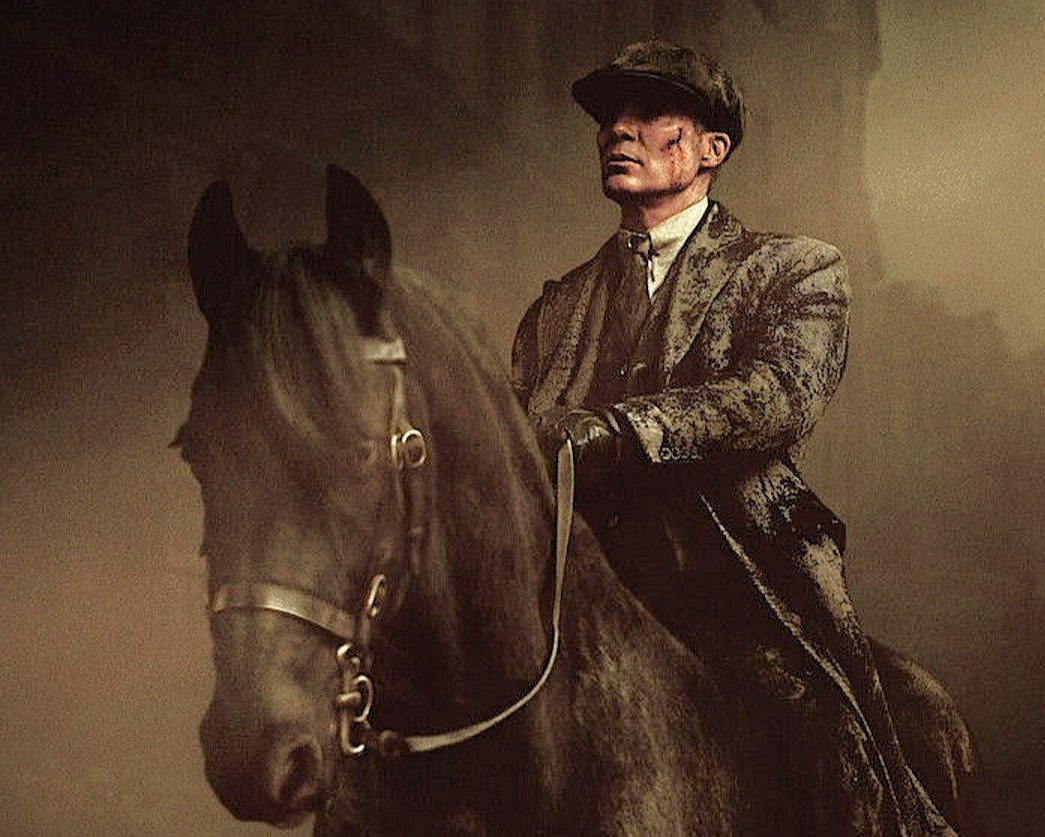
With the global release of the final film, ‘The Immortal Man’, on 6 March, the Shelby family returns to the spotlight. While the narrative is firmly rooted in 1940s Birmingham, the visual soul of Peaky Blinders belongs to film locations in the North West.
For over a decade, directors have looked to our region to provide the grit, the towering brickwork, and the cobbled streets that define the Peaky Blinders aesthetic. As the story transitions from the small screen to the cinema, the scale of these locations has only become more impressive.
At A Glance: Peaky Blinders Locations
| Feature | Details |
| Film Release | 6 March 2026 |
| Primary Location | St Helens (Watson Street Works) |
| Manchester Hub | Castlefield Canals & Viaducts |
| Liverpool Hub | Georgian Quarter & St George’s Hall |
| Cheshire Hub | Arley Hall (Shelby Manor) |
| Best For | History buffs and cinematic photography |
| Travel Tip | Use the train to hop between Manchester and Liverpool sites |
St Helens: The Industrial Backbone of the Movie

One of the most significant locations for the new film is the Watson Street Works in St Helens. This former Pilkington Glass site is a sprawling monument to the industrial revolution.
For the 2026 film, it provided an authentic backdrop for the high-stakes sequences set during the Second World War.
During production, the site transforms with period-accurate signage and heavy machinery to simulate a war-time factory. The choice of St Helens is a nod to the sheer scale of the region’s manufacturing history.
The Watson Street site is iconic for its ‘Cathedral of Glass’ feel, with vast internal spaces that allow for the series’ dramatic lighting.
While the interior is not open to the general public, the view from the surrounding streets near the canal offers a sense of the immense power this site once held.
It stands as a perfect example of our ‘Powerhouse’ gap, showing how abandoned industrial giants are finding a new life in the global film industry.
Castlefield: Small Heath in the Heart of Manchester

Manchester’s Castlefield has long been the primary stand-in for the streets of Small Heath. For the final film, the production took full advantage of the area’s complex canal network.
The intersection of rusted steel railway bridges, dark brick viaducts, and deep water creates a claustrophobic, atmospheric environment. This is where the world of Tommy Shelby feels most tangible.
Walking through Castlefield today, you can easily identify the spots where the gang conducted their business.
The area around the Giant’s Basin is a particular highlight, where the reflection of the Victorian ironwork in the canal water provides a direct link to the cinematography of the show.
It is a free, high-impact day trip that allows you to walk the same cobbles as the cast.
The contrast between these preserved industrial relics and the modern skyscrapers of Deansgate just a few hundred yards away highlights the unique character of the Manchester heritage.
Liverpool’s Georgian Quarter: A London Stand-In

When the script requires the elegance of 1940s London, the production moves to Liverpool’s Georgian Quarter.
Streets such as Falkner Square and Bedford Street are so perfectly preserved that they require almost no digital alteration.
The uniform rows of brick houses, complete with original iron railings and basement lightwells, provide a sophisticated contrast to the industrial grime of the Shelby heartland.
For ‘The Immortal Man’, these streets were used to depict the family’s move into the halls of power. A stroll through this part of Liverpool is a lesson in architectural survival.
The area is also home to some of the most atmospheric pubs in the city, such as The Grapes on Roscoe Street.
These venues maintain a period-correct feel that fits the Peaky Blinders lifestyle. It is an essential stop for any fan who wants to see the more refined side of the filming trail.
Arley Hall and Port Sunlight: The Shelby Legacy

No Peaky Blinders trail would be complete without a visit to the family’s homes.
Arley Hall in Cheshire has served as Tommy Shelby’s grand manor house throughout the series. This stunning Victorian country house, built in the Jacobethan style, represents the peak of the family’s social climbing.
The library and dining room are frequently featured, and the hall offers special ‘Peaky’ themed tours that allow you to see the actual furniture and rooms used in the filming.
In contrast, the village of Port Sunlight on the Wirral was used to film the home of Aunt Polly. This planned industrial village, built by William Hesketh Lever for his soap factory workers, is a masterpiece of urban design.
Its leafy boulevards and distinctive black-and-white houses provide a softer, more suburban look at the Shelby world.
Visiting both Arley Hall and Port Sunlight in a single weekend shows the incredible range of locations the North West offers to international film crews.
The North West as a Global Film Hub
The success of the Peaky Blinders franchise has cemented the North West’s reputation as a world-class filming destination.

From the docks of Liverpool to the factories of St Helens, our landscape provides a versatility that is hard to find elsewhere.
This isn’t just about nostalgia; it is about the active preservation of our heritage through its use in modern storytelling.
As you watch ‘The Immortal Man’ this March, you are seeing the familiar streets of our region through a cinematic lens, proving that our industrial past is a vital part of our cultural future.
Final Thoughts on the Peaky Blinders Trail
The release of ‘The Immortal Man’ marks the end of an era for one of the most popular stories of the decade. It also serves as a reminder of the architectural wealth we have right here in the North West.
These locations are more than just backdrops; they are the silent characters that give the story its weight and its grit.
By visiting these sites, you are engaging with a history that is both local and legendary.
Whether you are exploring the canal paths of Castlefield or the refined streets of Liverpool, the spirit of the Shelby family remains a permanent part of our northern landscape.


