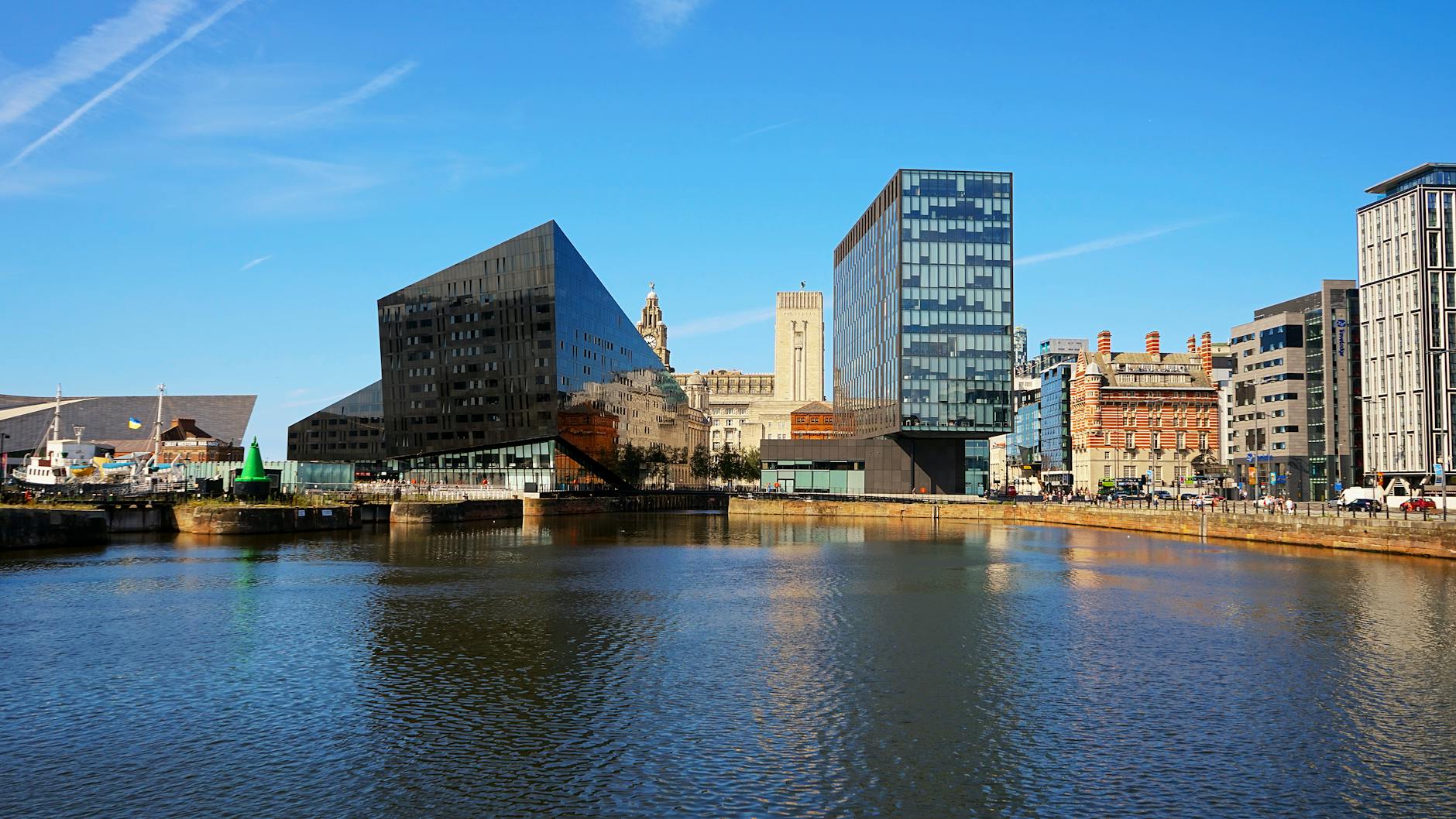
To understand Liverpool, you have to understand its relationship with the water. This is a city that has always looked outward, shaped by centuries of global trade, migration, and a fiercely independent streak. It is often said that Liverpool is ‘in the North West, but not of it’. It has a rhythm, a spirit, and a dialect all its own.
In 2026, the city is more vibrant than ever. The maritime history and the legacy of the Beatles remain its foundation. The modern Liverpool is a massive mixing pot of independent food, a world-class arts scene, and the ambitious regeneration of its industrial docklands.
This guide explores the different faces of the city, helping you navigate from the grand imperial architecture of the centre to the leafy, bohemian streets of the south.
At A Glance: Liverpool City Guide
| Category | Details |
| Region | Merseyside, North West England |
| Character | Historic Port, Musical Hub, Creative Powerhouse |
| Key Districts | Waterfront, Baltic Triangle, Georgian Quarter, Ropewalks |
| Transport | Lime Street Station (Rail), Merseyrail, Mersey Ferries |
| Top Landmarks | Royal Liver Building, Two Cathedrals, Albert Dock |
| Hidden Gem | St James’ Gardens (Anglican Cathedral) |
The Waterfront: The Front Door to the World

The Pier Head is the iconic image of Liverpool. Dominating the skyline are the Three Graces: the Royal Liver Building, the Cunard Building, and the Port of Liverpool Building. These are monuments to a time when Liverpool was the ‘Second City of the Empire’.
The Royal Liver Building
For the best perspective of the city’s layout, take the RLB360 tour. Standing beneath the 18-foot-high copper Liver Birds gives you a sense of scale you cannot get from the ground. Legend has it that if these two birds ever fly away, the city will cease to exist. One looks out to sea to protect the sailors, while the other looks into the city to watch over the families.
The Museum of Liverpool

This is arguably the best place to start any visit. It is a free museum that doesn’t just focus on facts and dates, but on the social history and the unique ‘Scouse’ identity. It covers everything from the city’s transport history (the ‘Docker’s Umbrella’ overhead railway) to its sporting triumphs and musical revolutions.
Royal Albert Dock
For art lovers, Tate Liverpool is a cornerstone of the dock, though it is currently undergoing a massive transformation. During this time, they have partnered with RIBA North at Mann Island to keep the contemporary art flame alive.
Music City: From the Cavern to the British Music Experience
Music is the lifeblood of Liverpool. It was the first city in the U.K. to be a UNESCO City of Music, and that heritage is visible on every street corner.
The Beatles Legacy
While the Beatles Story at the Albert Dock is the most famous attraction, the true pilgrimage takes place on Mathew Street. Here you will find the Cavern Club.

Although the original was demolished and rebuilt using many of the original bricks, the atmosphere remains electric. Live music starts at midday, and the ‘Wall of Fame’ outside lists every major act to have played the venue.
For a deeper dive, the Magical Mystery Tour bus or a private taxi tour can take you out to the suburbs to see Penny Lane, Strawberry Field, and the childhood homes of Lennon and McCartney.
The British Music Experience
Located in the grand Cunard Building, this museum celebrates the entire history of British rock and pop. It isn’t just about the 1960s; it covers the punk era, the 90s Britpop boom, and the modern day.
With outfits worn by David Bowie and Freddie Mercury, it is a high-tech, interactive journey through the soundtrack of the nation.
The Two Cathedrals and the Georgian Quarter
Liverpool is unique for having two very different cathedrals on the same road, the aptly named Hope Street. This street has won awards for being one of the best in the country, and a walk from one end to the other takes you through centuries of architectural history.
Liverpool Cathedral (Anglican)

This is a vast, red sandstone gothic masterpiece designed by Giles Gilbert Scott (the same man who designed the red telephone box). It is the largest cathedral in the U.K. The sheer scale of the interior is enough to take your breath away.
- The Tower Experience: You can take two lifts and climb 108 stairs to reach the top of the tower for the best 360-degree views of the North West.
- St James’ Gardens: Do not miss this peaceful, sunken park in a former quarry that sits right in the cathedral’s shadow. It contains a natural spring and a labyrinth of Victorian monuments.
Metropolitan Cathedral of Christ the King (Catholic)

Known as ‘Paddy’s Wigwam’ due to its striking conical shape, this is a masterpiece of 1960s modernism. It was a radical departure from traditional church design.
The interior is bathed in a spectacular blue and purple light from the lantern tower, which contains the largest area of coloured glass in the world.
The Georgian Quarter
Between the two cathedrals lies the Georgian Quarter. This is one of the most beautiful residential areas in the U.K. With its cobbled streets and perfectly preserved townhouses, it is frequently used by film crews doubling the city for Regency London or New York. This area is also home to the Philharmonic Hall, the base of the Royal Liverpool Philharmonic Orchestra.
The Baltic Triangle: The Creative Hub
If you want to see the modern, ‘cool’ side of the city, head to the Baltic Triangle. This former industrial area, once a collection of derelict warehouses, is now a maze of street art, tech start-ups, and independent venues.
The Baltic Market
Located in the old Cains Brewery, this is the city’s premier street food hall. It is a fantastic place to sample dishes from local independents. The atmosphere is communal and high-energy, making it a great spot for a Saturday lunch.
Shopping and Nightlife
- Red Brick Market: An indoor maze of vintage stalls, local artists, and quirky boutiques. You can find everything here from 70s vinyl to handmade jewellery.
- Camp and Furnace: A massive event space that pioneered the ‘warehouse’ vibe in the city. It hosts everything from indoor festivals to the world-famous Bongo’s Bingo.
- Invisible Wind Factory: Further north in the docklands, this venue hosts immersive theatre and experimental music, proving that Liverpool’s creative spirit remains as restless as ever.
Ropewalks and Bold Street: The Independent Heart
The Ropewalks district is named after the long, straight streets where sailors used to twist rope for ships. Today, it is the centre of the city’s nightlife and independent retail.
Bold Street
This is arguably the most famous street in Liverpool for food and drink. It is almost entirely devoid of major chains.
- Leaf on Bold Street: A stunning, high-ceilinged tea shop and event space that is a local institution.
- Mowgli: This is the birthplace of the national Indian street food chain. The original Bold Street site still has the most charm.
- Maray: Famous for its Middle Eastern-inspired small plates and the ‘Disco Cauliflower’.
Fact (Foundation for Art and Creative Technology)
Located on Wood Street, this is the UK’s leading centre for support and exhibition of film, art, and new media. It features three cinemas and various gallery spaces, offering a more intellectual, quiet break from the busy shopping streets nearby.
Green Spaces and Suburban Secrets

Despite its industrial heritage, Liverpool is one of the greenest cities in the U.K.
Sefton Park
This Grade I listed park is the jewel of South Liverpool. It covers 235 acres and features a boating lake, waterfalls, and the magnificent Palm House. This Victorian glasshouse has been beautifully restored and hosts concerts, yoga sessions, and weddings.
Lark Lane
Sitting right on the edge of Sefton Park, Lark Lane is a bohemian enclave filled with independent bookshops, vintage boutiques, and some of the best bars in the city. It feels like a village within a city and is the perfect place for a Sunday afternoon stroll.
Speke Hall

On the very edge of the city, near the airport, lies Speke Hall. This rare Tudor timber-framed manor house is surrounded by beautiful gardens and woodland.
It offers a stark contrast to the Victorian grandeur of the city centre and provides a glimpse into the rural life of the area before the industrial boom.
A Tale of Two Clubs: Football in Liverpool

You cannot discuss Liverpool without mentioning football. The city is divided, usually amicably, between the Red of Liverpool F.C. and the Blue of Everton F.C.
Anfield and Goodison Park
Anfield is one of the most famous stadiums in world football. Even if you aren’t a fan, the stadium tour and the museum (The Liverpool F.C. Story) are world-class.
Everton’s historic home, Goodison Park, is one of the oldest purpose-built football grounds in the world. As the club moved to the stunning new stadium at Bramley-Moore Dock, a visit to the ‘Grand Old Lady’ of Goodison is a must for any sporting historian.
The Scouse Identity: Language and Wit
The people of Liverpool, known as Scousers, are famous for their quick wit and distinctive accent. The word ‘Scouse’ actually comes from a stew called ‘Lobscouse’, brought over by Northern European sailors.
Trying the Local Dish
You cannot leave without trying a bowl of Scouse. It is a hearty meat and vegetable stew, usually served with crusty bread and pickled beetroot or red cabbage. Ma Boyle’s Alehouse & Eatery near the waterfront or Maggie May’s on Bold Street are the best places to find an authentic serving.
Linking Your Merseyside Journey
Liverpool is the central point for many of the day trips featured elsewhere on this site. Because of its excellent transport links, it serves as the perfect hub for exploring the wider region.
The Coast and The Wirral
- Crosby & The North Coast: Take the Northern Line to see Antony Gormley’s ‘Another Place’ statues. These 100 cast-iron men stare out across the Mersey Estuary and are a haunting sight at sunset.
- The Wirral Peninsula: Take the ‘Ferry Cross the Mersey’ from the Pier Head to visit New Brighton. This revitalised seaside town features incredible street art and offers the best view of the Liverpool skyline.
- Port Sunlight: A short train ride away on the Wirral, this historic model village was built for the workers of the Lever brothers’ soap factory and is an architectural gem.
- Southport: A classic seaside experience with its historic pier and Lord Street’s Victorian canopies. It offers a slower, more traditional pace compared to the city.
The Lancashire Connection
- Burscough & Ormskirk: For those who want to see the market town side of West Lancashire, these are easily accessible via the Merseyrail network.
Why Liverpool Matters in 2026
Liverpool is a city that refuses to be ignored. It is a place of grand scale and intimate secrets, where history is etched into every stone and the future is being written in its independent workshops and music venues.
It has moved beyond the ‘post-industrial’ tag to become a genuine global destination for culture and tourism. Whether you are here for the football, the music, the architecture, or just the famous Scouse hospitality, you will find a city that is fiercely proud of its past but incredibly excited about its future.


