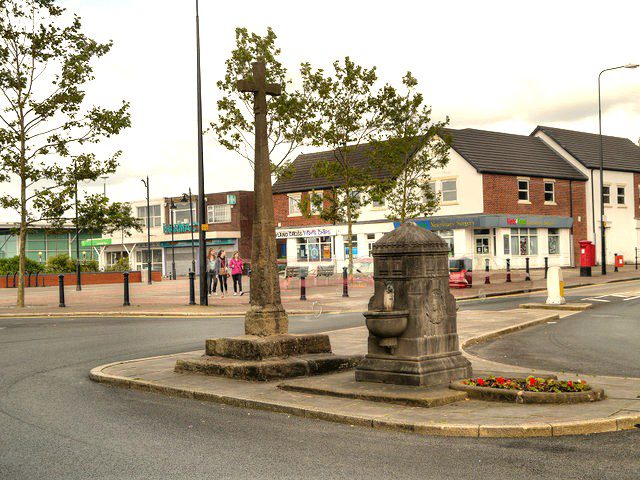
When people think of Leyland, the first thing that comes to mind is the iconic ‘Leyland’ badge on the front of a bus or truck. While this South Ribble town is undoubtedly the spiritual home of the British commercial vehicle industry, there is far more to this Lancashire gem than just its motoring pedigree.
Located just six miles south of Preston, Leyland offers a surprising blend of expansive green spaces, historic architecture, and a thriving independent market scene. Whether you are a history buff, a nature lover, or a family looking for a high-quality day out, Leyland delivers a quintessential North West experience without the crowds of its larger neighbours.
At A Glance
| Category | Details |
| Best For | Families, history enthusiasts, and walkers. |
| Main Attractions | Worden Park, British Commercial Vehicle Museum, Leyland Market. |
| Parking | Ample parking at Worden Park and various town centre car parks (some free for 1 hour). |
| Public Transport | Leyland Train Station is well-connected to Preston, Manchester, and Liverpool. |
| Top Tip | Visit on a Tuesday or Friday to experience the full buzz of the market. |
The Jewel of Leyland: Worden Park

If Leyland has a heart, it is surely Worden Park. Spanning over 60 hectares of woodland, meadows, and formal gardens, it is consistently ranked as one of the best parks in the U.K. for good reason.
The park was originally the private estate of the Farington family, who held the land for over 400 years. Although the main hall was tragically lost to fire in 1941, much of the estate’s grandeur remains. The Derby Wing, a handsome brick service wing dating from the early 18th century, still stands and now houses a popular café and community spaces.
For those who enjoy a walk with a bit of mystery, the park is dotted with ‘follies‘. These are picturesque, intentionally ruinous structures designed to delight the eye. Look out for the Stone Arch over Shaw Brook, which looks like a remnant of a medieval castle. The Ice House is a subterranean chamber once used to store frozen blocks of ice from the nearby ponds.
Don’t Miss at Worden Park:
- The Hedge Maze: A classic hornbeam maze that is surprisingly easy to get lost in.
- The Walled Kitchen Garden: Recently restored, this Georgian garden is a peaceful spot to see traditional fruit and vegetable cultivation.
- Worden Arts and Crafts Centre: Located in the old farm buildings, this is the place to find unique, handmade gifts from local artisans.
A Journey Through Time: The British Commercial Vehicle Museum

Even if you aren’t a ‘petrol head’, the British Commercial Vehicle Museum is a fascinating look at the social and industrial history of the North West. Housed in a 1930s inspection building that once belonged to the Leyland Motors factory, the museum tells the story of how a small Lancashire town came to move the world.
The collection features over 60 historic vehicles, including horse-drawn carriages, vintage fire engines, and steam-powered lawnmowers. One of the star attractions is the ‘Popemobile’, the specially reinforced Leyland truck used by Pope John Paul II during his 1982 visit to Great Britain.
The museum isn’t just about the machines; it’s about the people. The interactive ‘Engine Room’ and the vast photographic archive provide a moving insight into the lives of the thousands of factory workers who made Leyland a household name globally.
Heritage and History: St Andrew’s Church

For a change of pace, a short walk from the town centre leads you to St Andrew’s Church. This Grade II* listed building is a testament to Leyland’s ancient roots. While the current nave dates back to 1816, parts of the chancel were built in the 14th century, and the tower is a fine example of late 15th-century architecture.
The churchyard is particularly atmospheric, containing the old Hearse House and a Watch House from the early 19th century—built back when people feared ‘body snatchers’ might disturb the recently deceased. Inside, the church houses beautiful stained glass and monuments to the Farington family, further bridging the gap between the town’s industrial present and its aristocratic past.
Shopping and Sustenance: Leyland Market and Hough Lane

Leyland has resisted the ‘clone town’ feel better than most. The main shopping street, Hough Lane, is home to a healthy mix of independent shops and local favourites. However, the real soul of the town’s commerce is Leyland Market.
Operating since the 18th century, the market is the perfect place to pick up authentic Lancashire produce. Whittaker’s Butchers is a local institution, famous for its quality cuts and weekend deals. If you have a sweet tooth, Sycamore Cakes and Bakes offers brownies and cookies that are worth the trip alone.
For a mid-day break, Piggies at the Market is a friendly café with a ‘talking table’. A wonderful initiative designed to combat loneliness by encouraging strangers to chat over a brew. It perfectly encapsulates the ‘small town, big heart’ ethos that Leyland prides itself on.
Why Leyland Matters
Leyland isn’t just a suburb of Preston or a stop-off on the M6; it is a town with a distinct identity. It manages to celebrate its massive industrial impact without losing its rural, community-focused charm. From the neoclassical columns of the North Lodge at Worden Park to the roar of a vintage engine at the museum, Leyland offers a layered experience that rewards those who take the time to explore.
Next time you are planning a day trip in the North West, don’t just drive past the Leyland exit. Pull off the motorway, park up, and discover one of Lancashire’s most underrated destinations.


