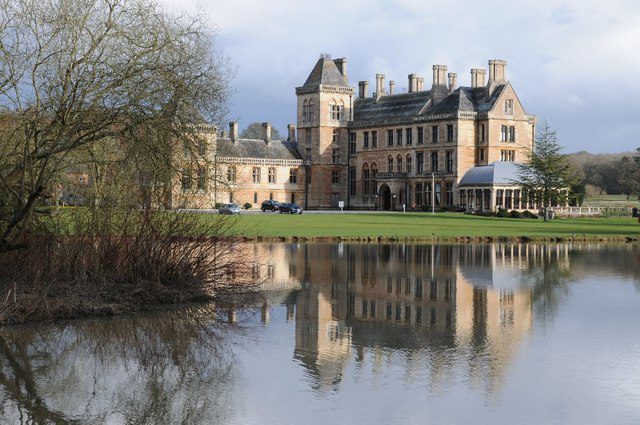
Walton Hall and Gardens sits on the outskirts of Warrington, Cheshire and represents one of the most successful transitions from a private aristocratic estate to a public asset in the North West. Originally the home of Lord Daresbury and the Greenall family, the estate covers roughly 32 acres of manicured gardens, woodland, and heritage buildings.
It offers a distinct atmosphere compared to the rugged fells of the Peak District or the coastal reaches of the Wirral. It is a site defined by Victorian grandeur that has been repurposed for the modern family.
At A Glance
| Feature | Details |
| Location | Warrington, WA4 6SN |
| Top Attraction | Children’s Zoo & Shire Horses |
| Best For | Families and Heritage Walkers |
| Entry Fee | Park and Zoo are Free (Parking charges apply) |
| Landscape | Formal Gardens and Managed Woodland |
| Facilities | Heritage Cafe, Playground, Pitch & Putt |
The Legacy of the Greenall Family

To understand the scale of Walton Hall, one must look at the history of the Greenall family.
Their wealth, built largely on the brewing industry, allowed them to create a sanctuary that was as much about agricultural excellence as it was about social prestige.
The hall itself is a grand Elizabethan-style mansion built in the 1830s. While the interior is often used for private functions and weddings, the exterior remains a striking backdrop for the surrounding parkland.
The family were renowned for their interest in animal husbandry. This legacy is still visible today through the Children’s Zoo, which occupies a significant portion of the former estate buildings.
Unlike modern commercial zoos, this area retains the charm of a Victorian home farm. It provides a bridge between the estate’s agricultural past and its current role as an educational space for the public.
The Children’s Zoo and Heritage Farm

The zoo is arguably the biggest draw for local visitors. It is housed within the original stable blocks and farm buildings, which have been carefully maintained to preserve their character.
You can find a range of animals here, from the massive Shire horses that reflect the estate’s working history to more exotic residents like red squirrels and peacocks.
The presence of the Shire horses is particularly significant. These animals were the backbone of the brewing industry, used to pull heavy drays for the Greenall Whitley brewery.
Seeing them in the stables at Walton Hall provides a direct link to the industrial heritage of Warrington. The zoo is free to enter, which makes it a high-value destination for a budget-friendly day out in the North West.
The Formal Gardens and Glasshouses
Beyond the animal enclosures, the formal gardens offer a much quieter experience. The estate is famous for its collection of rhododendrons and azaleas, which provide a riot of colour in the late spring.
The design of the gardens follows the Victorian preference for order and symmetry, with wide gravel paths and meticulously edged lawns.
A major highlight for any gardening enthusiast is the range of restored glasshouses. These structures were essential for a 19th-century estate to provide out-of-season fruit and exotic plants for the main house.
The restoration work carried out here has ensured that the delicate ironwork and glass remain intact. They serve as a reminder of the sheer amount of labour and wealth required to maintain such an estate before the First World War.
Outdoor Activities and the Woodland Walk
Walton Hall has adapted well to the needs of the 21st-century day tripper. For those who find formal gardens too restrictive, the estate offers extensive woodland walks.
These trails lead away from the main hub of the hall and into the quieter fringes of the park. The trees here are a mix of ancient specimens planted by the Greenalls and more recent conservation efforts.
For families, the site includes a large adventure playground and a competitive pitch-and-putt course. There is also a small-scale heritage railway that runs during the busier months.
These additions have been integrated into the parkland without detracting from the historical character of the hall.
It is a delicate balance to strike, but Walton Hall manages to feel like a community hub without losing its sense of aristocratic history.
The Cycle of Restoration
The estate has undergone significant investment in recent years. The restoration of the conservatory and the stabilization of the old stable buildings show a commitment to preserving the site for future generations.
This is part of a wider trend across the North West where municipal councils are stepping in to save heritage assets that might otherwise have fallen into ruin.
Visiting Walton Hall today provides a clear perspective on the ‘Country House’ phenomenon.
While sites like Little Moreton Hall represent the Tudor era, Walton Hall represents the height of Victorian confidence.
It is a place built on the profits of the industrial North, designed to look like a rural idyll.
Final Thoughts on Walton Hall and Gardens
Walton Hall and Gardens succeeds because it offers multiple layers of experience in a single location.
It serves the historian through its Victorian architecture and brewing legacy, the naturalist through its formal gardens, and the family through its free zoo and play areas.
It is an accessible frontier between the urban sprawl of Warrington and the rural landscape of Mid-Cheshire.
While it may lack the wild drama of the Peak District fells, its value lies in its role as a ‘People’s Palace’.
It remains one of the most versatile day trips in the region, offering a reliable and high-quality escape regardless of the season.


