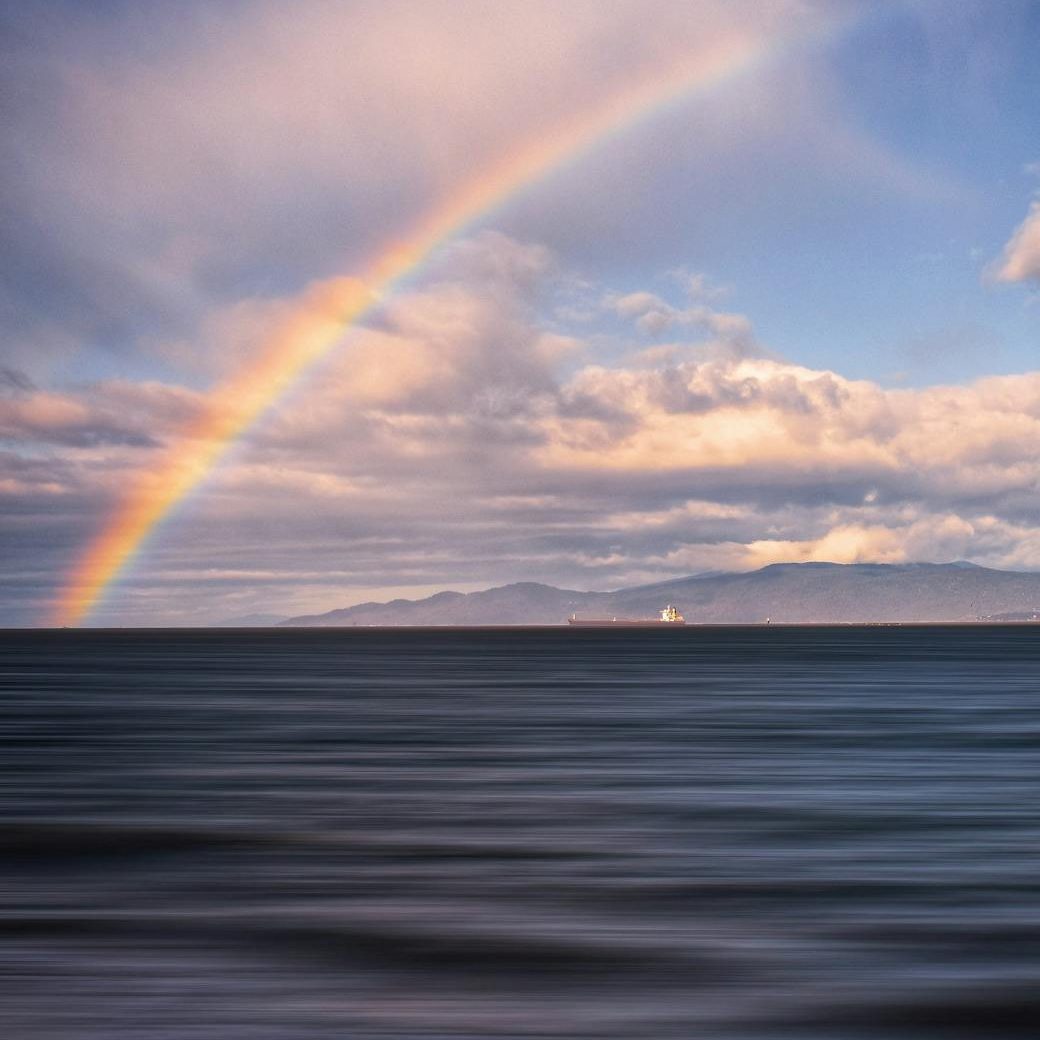
Have you ever planned a day out without rain in the North West of England? You have probably checked the weather forecast with the same hopeful expression people use when buying a lottery ticket.
There is always a chance. A small one. A distant one. But deep down you have already packed the waterproof jacket just in case.
Welcome to the Land of Drizzle and Delight
So why does this brilliant corner of the U.K. seem to spend half its life under a cloud that looks like it has a personal vendetta? Is there a giant tap somewhere above Cumbria? Did the fine people of Manchester upset a weather wizard centuries ago?
Not quite. The truth is much more scientific, slightly dramatic, and honestly quite impressive. Let us take a squelchy, splashy wander through the real reasons the North West is so gloriously, reliably damp.
First, Blame the Atlantic

The main character in our soggy story is the Atlantic Ocean. It sits to the west of the U.K. like a huge, restless bath that never stops sloshing about. The air above it is usually full of moisture because water is constantly evaporating from the ocean surface.
Now picture the wind. In the U.K., the prevailing winds usually come from the west or south west. That means the air that reaches the North West of England has just travelled across a massive stretch of ocean, picking up water like an enthusiastic sponge on a mission.
By the time this air arrives over places like Liverpool, Blackpool, and Cumbria, it is already carrying a serious amount of moisture. It is not in the mood to keep that to itself. Sharing is caring!
Then Add Some Hills With Attitude

If the North West were flat as a pancake, things might not be quite so wet. But this region is not interested in being subtle. It has mountains, fells and hills that stand up and say, “You Shall Not Pass!”, to every cloud drifting in from the sea.
The Lake District is the star of this show. It is home to some of the highest land in England, including Scafell Pike. When that moisture heavy air hits these mountains, it is forced to rise.
As air rises, it cools. When it cools, the water vapour inside it turns into droplets. And when enough droplets gather, down comes the rain.
This is called ‘orographic rainfall’. It sounds complicated but it really just means clouds hit a hill and have an emotional release like they have met their favourite therapist.
That is why places in the Lake District, such as Seathwaite, are among the wettest in England. The clouds simply cannot hold it in any longer.
The Pennines Join the Precipitation Party

Just when you thought the clouds might have finished their dramatic performance over the Lakes, along come the Pennines. These hills run down the spine of northern England and act like another barrier.
Air that still has moisture left is pushed upwards again. More cooling happens. More rain falls. The North West keeps getting topped up like a teacup that nobody stops refilling.
This double hill situation means the region gets a full weather workout. First the Atlantic, then the Lake District, then the Pennines. It is like an obstacle course designed specifically to squeeze every last drop of water out of the sky.
But Why Does It Feel Like It Rains All the Time?

Here is the sneaky part. The North West does not always have heavy tropical rain. What it often gets is frequent, steady, light to moderate rain. The sort that does not look dramatic but absolutely ruins your hair, your picnic, and your patience.
Because weather systems from the Atlantic arrive regularly, there is a constant stream of fronts bringing cloud and rain. You get one rainy day, then a grey day with drizzle, then a day that starts sunny and ends like someone tipped a bucket over Preston.
It creates the impression that it never stops. The rain might not always be intense, but it is loyal. It keeps showing up.
Meanwhile, the East Gets the Leftovers
Here is a fun twist. All those hills that make the North West wet actually help make parts of the east drier.
After the air has climbed over the mountains and dumped much of its moisture, it descends on the other side. As it comes down, it warms up and can hold more moisture again, which means it is less likely to rain.
This is called a ‘rain shadow effect’. So, while Manchester is wondering why the sky looks like a wet towel, places further east might be enjoying brighter conditions. The North West takes a constant rainy one for the team, weather-wise.
The Gulf Stream Lends a Hand

Another player in this story is the Gulf Stream, a warm ocean current that helps keep the U.K. milder than many other places at the same latitude. This warmth adds energy to weather systems and helps keep the atmosphere lively.
Lively atmosphere + moist air + hills = a recipe for regular rain. It is not just that the North West is in the wrong place. It is just in a very active bit of the planet’s weather engine.
So, Is It All Bad News? Absolutely Not
Here is where we defend the drizzle. All that rain is the reason the North West looks like a professional landscape designer has carefully styled it.
The Lake District is green in a way that almost looks fake. Waterfalls constantly have water in them. Rivers flow properly. Reservoirs stay topped up. The grass seems permanently enthusiastic.

Without the rain, you would not get those misty mornings over Derwentwater, those dramatic clouds hugging the fells, or that cosy feeling of sitting in a café in Ambleside while the windows fog up and the world outside turns into a watercolour painting.
The weather is part of the atmosphere in every sense.
How North West Locals Cope Like Champions
People in the North West have developed advanced rain survival skills. These include owning at least three waterproof jackets, never trusting a forecast that says sunny all day, and being able to drink tea in any weather situation.
There is also a healthy sense of humour about it. When the sun does appear, entire cities seem to spill outside at once. Parks fill up.

Beer gardens become sacred ground. Someone always says, we should make the most of this, it might not last. They are usually right.
Rain is not seen as a disaster. It is just background music.
Planning Day Trips Without Losing Your Mind
The trick to enjoying the North West is not to fight the weather. Collaborate with it. Check the forecast, yes, but also accept that a bit of rain is part of the experience.
That moody sky over a castle ruin? Excellent for photos. A dramatic cloudscape over the coast at Formby or St Bees? Even better.
A woodland walk in light drizzle? Surprisingly magical, and far quieter than a blazing summer weekend.
And on truly soggy days, there are museums, cafés, galleries, and cosy pubs that feel even more inviting when you have just dashed in from the rain looking slightly windswept and heroic.
The Final, Slightly Damp Verdict

The North West of England is wet because of geography, ocean currents, prevailing winds, and a bold collection of hills that refuse to let clouds pass quietly. Moist air rolls in from the Atlantic, rises over mountains, cools, and turns into rain again and again.
It is science, not a curse. Though on your third soggy sock of the week, you might be forgiven for suspecting magic.
But that same rain shapes the landscapes people travel from all over the world to see. It feeds the lakes, greens the valleys, fills the waterfalls, and gives the region its soft, dramatic beauty.
So next time the forecast shows a cheerful little rain cloud over your North West day trip, do not sigh too hard. Pull on the waterproof jacket, embrace the drama of the skies, and remember you are experiencing the region exactly as nature designed it. Slightly wet, wildly beautiful, and never, ever dull.


