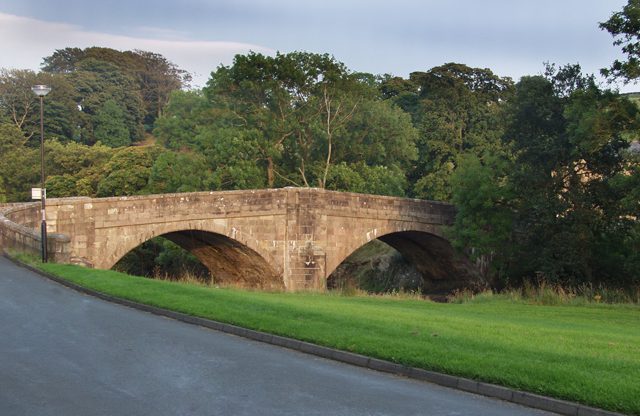
The Forest of Bowland is an excellent focus for a day out. It is an Area of Outstanding Natural Beauty (AoONB) that remains largely undiscovered by the masses. While tourists flock to the nearby Lake District, this part of Lancashire offers a similar level of beauty without the crowds.
It is a land of gritstone fells, deep valleys, and peat moorland. It provides a sense of isolation that is rare in the North West. The Forest of Bowland makes an ideal day trip as there is plenty to see and do.
At A Glance
| Feature | Details |
| Location | North East Lancashire and North Yorkshire border |
| Best For | Hiking, birdwatching, and quiet country drives |
| Parking | Available in Dunsop Bridge, Slaidburn, and Chipping |
| Dog Friendly | Very, but keep dogs on leads around fell sheep |
| Top Landmark | The Trough of Bowland |

Why Is It Called a Forest When There Are So Few Trees?
The name ‘Forest’ can be misleading to modern visitors who expect dense woodland. In medieval England, a forest was not a collection of trees.
It was a legal term for a royal hunting ground. These areas were governed by special ‘forest laws’ to protect deer and their habitat for the King and his nobles.
The Forest of Bowland was historically a hunting wilderness of open moorland and high fells.
While you will find pockets of ancient woodland in the cloughs and valleys, the lack of trees on the summits is natural for this peat-heavy terrain.
Most of the original tree cover was cleared centuries ago for grazing or fuel. The name remains as a nod to its royal sporting history.
Highlights of the Area

The Trough of Bowland is the most famous part of the region. It is a high mountain pass reaching an elevation of nearly 300 metres.
The road follows the path of the River Wyre and offers dramatic views of the surrounding hills. It is a popular route for both drivers and cyclists who enjoy a challenge.
Dunsop Bridge is a quintessential English village located at the confluence of the River Dunsop and the River Hodder.
It is officially recognised as the geographic centre of Great Britain. You can enjoy a short walk by the river or stop at the local tea room.
Another essential stop is Slaidburn. This historic village feels as though it has been frozen in time.
It features a central green, a 10th-century church, and the Hark to Bounty inn. The village serves as a great base for exploring the nearby Stocks Reservoir.
Birdwatching in Bowland
The Forest of Bowland is a premier destination for birdwatchers. It is particularly famous for its birds of prey and upland species.

The Hen Harrier is the official symbol of the region. You may see this rare raptor performing its ‘sky dance’ over the moors during the spring.
Stocks Reservoir: This is the largest body of water in the area. It features dedicated bird hides along the northern shore. It is an excellent spot to see wildfowl like Goosander and Great Crested Grebe. You can also spot waders such as Lapwing and Curlew in the surrounding fields.
Langden Valley: If you want to see birds of prey, this valley is a prime location. Keep your eyes on the skyline for Peregrine Falcons, Merlins, and Buzzards.
Gisburn Forest: The conifer plantations here are home to Siskins and Crossbills. In the spring, the woodland edges are filled with the song of Redstarts and Pied Flycatchers.
Where to Eat
The region is famous for its ‘field to fork’ ethos. The Inn at Whitewell is a historic manor house that offers high-end dining with views over the stepping stones of the River Hodder.
For a more traditional pub experience, The Gibbon Bridge Hotel or the many cafes in the village of Chipping provide excellent local food.
Getting There
A day out to the Forest of Bowland is best by car due to its rural nature. You can access the southern entrance via the town of Clitheroe.
If you are approaching from the west, follow the signs from Lancaster or Garstang.


