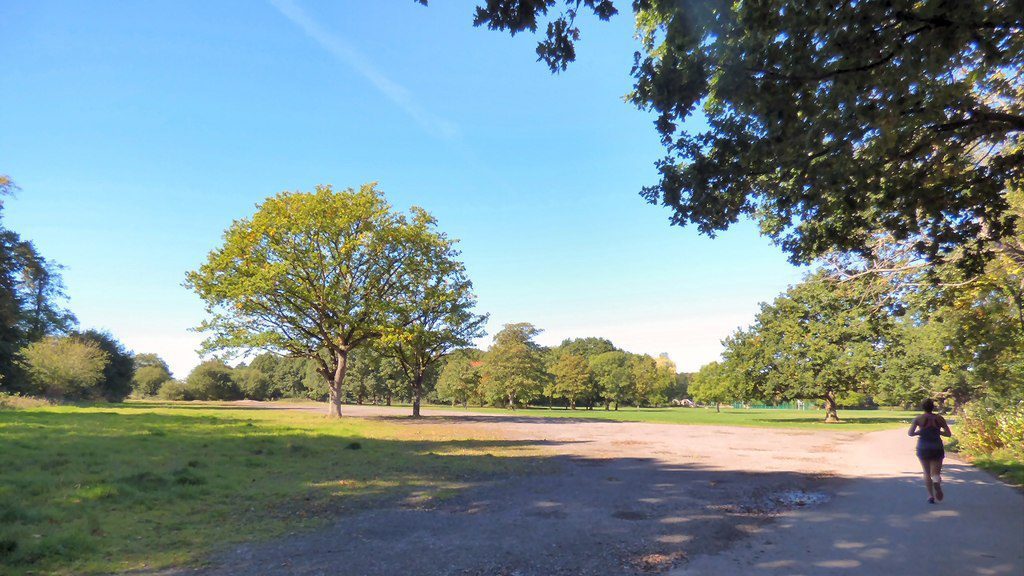
Wythenshawe often suffers from a reputation it does not entirely deserve. To the casual observer driving past on the M56, it might look like a vast expanse of social housing. However, for the curious traveller, it reveals itself as a fascinating urban experiment. It was designed in the 1920s as a ‘Garden City’, a place where the working class could escape the smog of industrial Manchester to live amongst trees and open fields.
Today, it remains one of the greenest areas in the United Kingdom. For a solo traveller or a couple looking for a walk with a bit of history, it offers a surprisingly leafy escape. It is a place of contrasts, where 16th-century timber frames sit just a short distance from modern transport hubs.
At A Glance
| Category | Highlights |
| Best For | Families (Farm & Park), Couples (Hall Gardens), Solo Travellers (Rashford Mural). |
| Top Visual Spot | Wythenshawe Hall (Tudor Architecture) & The Marcus Rashford Mural. |
| Famous Faces | Marcus Rashford, Tyson Fury, John Thaw. |
| Budget | Excellent (Mostly free parks and community farm). |
The Visual Appeal: Tudor Grandeur

The primary visual draw is Wythenshawe Hall. This 16th-century timber-framed manor house is a photographer’s dream.
Following a devastating fire and a meticulous multi-million-pound restoration, the black-and-white facade is now sharper than ever.
The contrast of the dark wood against the white render provides that perfect ‘Instagrammable’ shot, especially on a bright morning when the shadows hit the gables.
For couples, the hall is surrounded by ornamental gardens that offer a romantic, quiet atmosphere. It is the kind of place where you can lose an hour just wandering through the walled garden or the rose garden.
The horticultural centre nearby is another hidden gem, often overlooked by those heading straight for the main park. It provides a more intimate setting that feels worlds away from the city.
Marcus Rashford and the Pride of Wythenshawe

You cannot talk about Wythenshawe without mentioning its most famous son, Marcus Rashford.
While he was known globally for his skills at Manchester United, his roots are firmly planted in the Northern Moor area of Wythenshawe.
For a solo traveller interested in modern cultural history, walking these streets gives you a sense of the community that shaped a national hero.
There is a tangible sense of pride here. You will see local tributes and street art that celebrate his impact both on and off the pitch.
His story has transformed how people view the area. It is no longer just an estate; it is a place of aspiration.
If you are looking for that iconic ‘Rashford’ photo, the massive mural in Withington is a short hop away, but the spirit of his work is felt most strongly in the Wythenshawe community centres and football cages.
Why It Works for Families: The Community Farm

For young families, the Wythenshawe Park Community Farm is an essential stop. In an age where everything seems to have a high entry fee, this farm remains a brilliant, free resource.
It is a working farm where children can get up close to cows, sheep, goats, and pigs. It is educational without being forced, and the lack of a price tag makes it accessible for a quick afternoon trip.
Beyond the animals, the park itself is massive. There is a huge woodland area that is perfect for ‘forest school’ style play, and the athletics track and tennis courts mean there is always something active happening.
The playground is one of the largest in South Manchester, making it a reliable choice for burning off energy before heading home.
A Legacy of Famous Faces

Marcus Rashford is not the only legend to come from these streets. The ‘Gypsy King’, Tyson Fury, also has deep ties to Wythenshawe, having trained in the local boxing gyms.
The area has a knack for producing resilient, high-achieving characters. Even the late, great John Thaw, famous for his role as Inspector Morse, was born here.
This heritage of ‘grit and greatness’ is part of the appeal. It gives the location a layer of interest for solo travellers who enjoy ‘people watching’ or exploring the origins of British icons.
There is a raw, authentic energy in the local shops and cafes that you simply do not get in the polished gentrification of the city centre.
The Honest Vibe: Acknowledging the ‘Greyness’
It would be dishonest to suggest that Wythenshawe is all roses and Tudor beams. Like any large post-war development, some areas feel tired.
There are corners that could certainly use more investment, and the ‘grey’ of the concrete can feel heavy on a rainy Tuesday. However, this is part of the North West’s honest character.
The ‘grimness’ is often just a lack of polish, but the trade-off is a lack of pretension. People here are friendly and grounded.
There is a refreshing absence of the ‘see and be seen’ culture found in other parts of Manchester. When you visit Wythenshawe, you are seeing a real, lived-in part of the city that refuses to be anything other than itself.
Instagrammable Spots You Might Miss
While the Hall is the obvious choice, look out for the Wythenshawe Park Sunken Garden. It offers a different perspective with its layered flower beds and stone steps. Another great visual is the Civic Centre, specifically the architectural lines of the 1960s buildings which are now becoming popular again for ‘brutalist’ style photography.

For those who enjoy transport photography, the Metrolink extension into Wythenshawe has created some sleek, modern lines that cut through the green landscape. The shot of the yellow tram passing the old trees near the park entrance is a local favourite.
Planning Your Visit
If you are coming from the city centre, the tram is your best bet. It drops you right at the edge of the park. For solo travellers, it is a safe, easy journey. For families, there is plenty of parking if you prefer to drive.
Wythenshawe is a place that rewards those who take the time to look beyond the headlines. It is a blend of 16th-century history, 20th-century social planning, and 21st-century sporting legend.
It is green, it is gritty, and it is undeniably Manchester.


